
-
Rowan Kidsilk Haze 2 Ply
Regular price $23.90Sale price $23.90 Regular priceUnit price per72 -
Rowan Kid Classic 10 Ply
Regular price $18.90Sale price $18.90 Regular priceUnit price per17 -
Rowan Tweed Haze 12 Ply
Regular price $26.90Sale price $26.90 Regular priceUnit price per4 -
Manos Del Uruguay Cabrito 2 Ply
Regular price $22.90Sale price $22.90 Regular priceUnit price per16 -
Novita Helene 4 Ply
Regular price $28.50Sale price $28.50 Regular priceUnit price per16

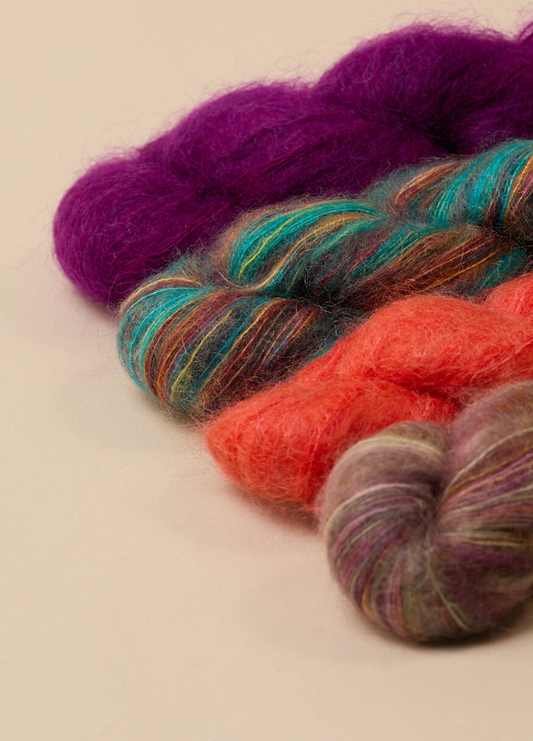



Mohair yarn
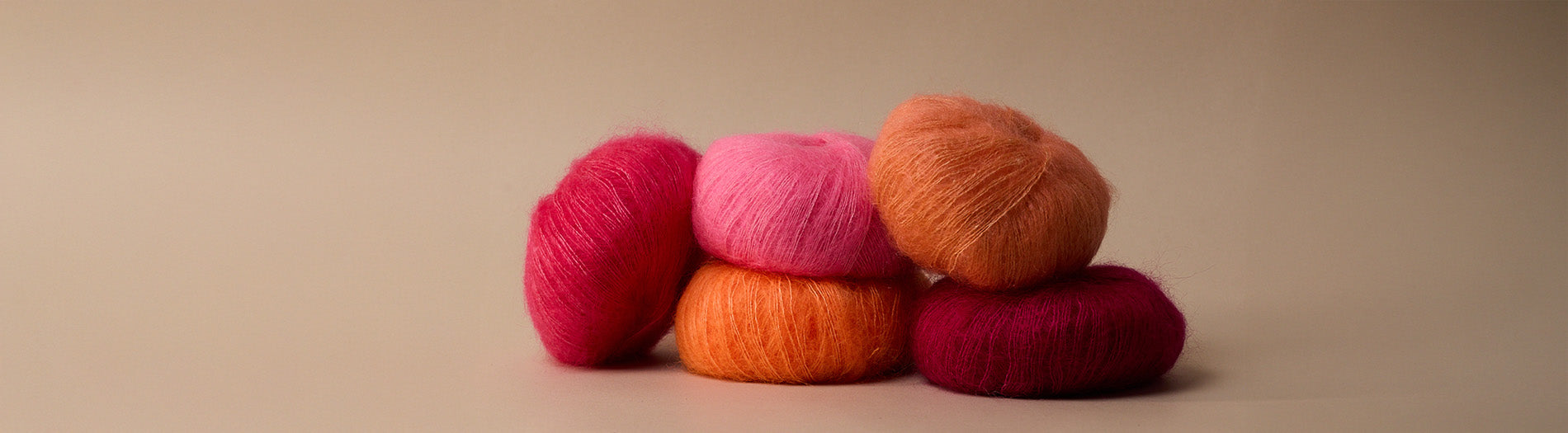
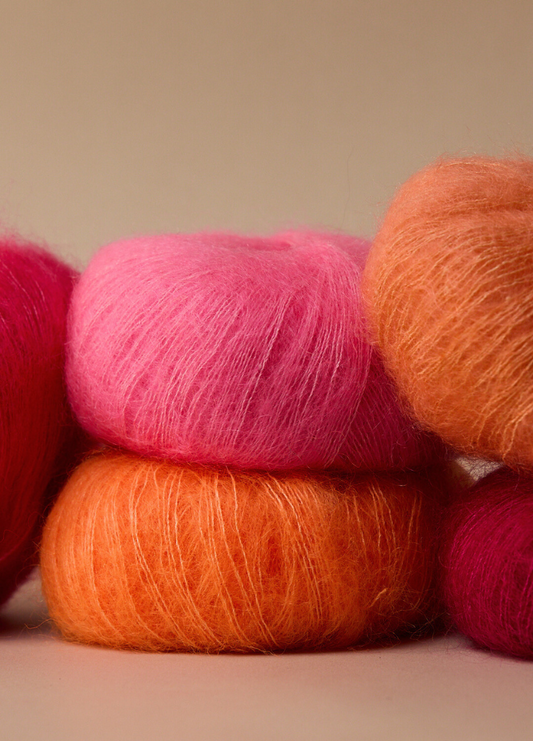
Mohair yarn is spun from the fleece of the Angora goat (not to be confused with Angora rabbits!). It’s a long, silky fibre with high lustre and strength. Our range of mohair yarn and silk mohair blends is perfect for creating fluffy, haloed fabrics – try holding a strand of mohair together with 4 ply or 8 ply wool for a warm, luxe knit.
Shop our range of more than 20,000 products and get started on your new artistic journey with yarn.
Characteristics Of Mohair Yarn
Mohair is a great all season yarn with its insulation properties for keeping you warm in winter as well as being moisture wicking and very lightweight for those summer garments.
Mohair is often blended with other fibres as on its own it can be very delicate. The most common blend is with silk to make beautiful delicate yet strong Silk Mohair yarns.
Benefits of Mohair Yarn
The beautiful delicate halo mohair adds to your knitwear really adds a level of luxury.
Adding a strand of silk mohair can also strengthen other yarns when held together and can even be used along with a 4ply yarn to make fuzzy socks!
Uses of Mohair
Mohair is most common in a 2ply yarn blended with silk. This silk mohair yarn can be knitted on its own to create stunning ethereal wraps and tops but can also be held double or with another yarn to create heavier weight knits with subtle halos. Holding a 4ply yarn along with a strand of silk mohair has become very popular recently to give a yarn similar in tension to an 8ply/DK yarn.
Care of Mohair Yarn
All knits with mohair should be hand washed using a wool wash. We recommend wet blocking with mohair as steam blocking can flatten the delicate halo.
Selecting the right yarn
When selecting yarns it's important to be aware all yarns handle differently and will give varied textures and drape. This is why it's important to knit or crochet a gauge swatch. This allows you to both check the feel of the fabric and the needle size to use (again all knitters have a slightly different tension)
If you need more help finding a yarn for your project, feel free to send us a message, and we’ll get back to you with our expert advice or even pop into your local store.
FAQs
Is mohair itchy to wear?
Mohair is good for people with sensitive skin, as the wool is not as itchy as standard sheep's wool. The fine fibres can shed as you knit and wear mohair garments which can cause irritation and sneezing.
What animal is mohair from?
Mohair is grown from the Angora goat (not to be confused with Angora rabbits!). It's a long, silky fibre with high lustre and strength.
What are the disadvantages of mohair?
The major drawback of mohair yarn is that it is a fuzzy yarn that has a tendency to shed which can cause irritation and sneezing.
What is silk mohair yarn used for?
Silk mohair yarn is most commonly used for creating ethereal, lightweight garments like lace shawls, airy sweaters, and delicate cardigans. This versatile mohair yarn is also frequently held together with a strand of wool to add a soft, fuzzy "halo" and extra warmth to heavier-weight projects.
Can beginners knit with mohair yarn?
While beautiful, mohair yarn can be challenging for absolute beginners because its fuzzy fibres make it difficult to unpick mistakes or see clear stitch definition. We recommend that newer makers try holding a strand of mohair together with a smooth wool yarn first, as this makes the stitches easier to manage while still achieving that signature fluffy look.
What needle size is best for lace mohair yarn?
The best needle size for lace-weight mohair yarn depends on the desired effect; use small needles (2.25mm–3mm) for a dense, warm fabric or larger needles (4mm–5mm+) to create an open, gossamer-like drape. Always knit a gauge swatch first to ensure your chosen needles produce the right texture and tension for your specific mohair project.
Mohair yarn is spun from the fleece of the Angora goat (not to be confused with Angora rabbits!). It’s a long, silky fibre with high lustre and strength. Our range of mohair yarn and silk mohair blends is perfect for creating fluffy, haloed fabrics – try holding a strand of mohair together with 4 ply or 8 ply wool for a warm, luxe knit.
Shop our range of more than 20,000 products and get started on your new artistic journey with yarn.
Characteristics Of Mohair Yarn
Mohair is a great all season yarn with its insulation properties for keeping you warm in winter as well as being moisture wicking and very lightweight for those summer garments.
Mohair is often blended with other fibres as on its own it can be very delicate. The most common blend is with silk to make beautiful delicate yet strong Silk Mohair yarns.
Benefits of Mohair Yarn
The beautiful delicate halo mohair adds to your knitwear really adds a level of luxury.
Adding a strand of silk mohair can also strengthen other yarns when held together and can even be used along with a 4ply yarn to make fuzzy socks!
Uses of Mohair
Mohair is most common in a 2ply yarn blended with silk. This silk mohair yarn can be knitted on its own to create stunning ethereal wraps and tops but can also be held double or with another yarn to create heavier weight knits with subtle halos. Holding a 4ply yarn along with a strand of silk mohair has become very popular recently to give a yarn similar in tension to an 8ply/DK yarn.
Care of Mohair Yarn
All knits with mohair should be hand washed using a wool wash. We recommend wet blocking with mohair as steam blocking can flatten the delicate halo.
Selecting the right yarn
When selecting yarns it's important to be aware all yarns handle differently and will give varied textures and drape. This is why it's important to knit or crochet a gauge swatch. This allows you to both check the feel of the fabric and the needle size to use (again all knitters have a slightly different tension)
If you need more help finding a yarn for your project, feel free to send us a message, and we’ll get back to you with our expert advice or even pop into your local store.
FAQs
Is mohair itchy to wear?
Mohair is good for people with sensitive skin, as the wool is not as itchy as standard sheep's wool. The fine fibres can shed as you knit and wear mohair garments which can cause irritation and sneezing.
What animal is mohair from?
Mohair is grown from the Angora goat (not to be confused with Angora rabbits!). It's a long, silky fibre with high lustre and strength.
What are the disadvantages of mohair?
The major drawback of mohair yarn is that it is a fuzzy yarn that has a tendency to shed which can cause irritation and sneezing.
What is silk mohair yarn used for?
Silk mohair yarn is most commonly used for creating ethereal, lightweight garments like lace shawls, airy sweaters, and delicate cardigans. This versatile mohair yarn is also frequently held together with a strand of wool to add a soft, fuzzy "halo" and extra warmth to heavier-weight projects.
Can beginners knit with mohair yarn?
While beautiful, mohair yarn can be challenging for absolute beginners because its fuzzy fibres make it difficult to unpick mistakes or see clear stitch definition. We recommend that newer makers try holding a strand of mohair together with a smooth wool yarn first, as this makes the stitches easier to manage while still achieving that signature fluffy look.
What needle size is best for lace mohair yarn?
The best needle size for lace-weight mohair yarn depends on the desired effect; use small needles (2.25mm–3mm) for a dense, warm fabric or larger needles (4mm–5mm+) to create an open, gossamer-like drape. Always knit a gauge swatch first to ensure your chosen needles produce the right texture and tension for your specific mohair project.