
-
Rowan Felted Tweed 8 Ply
Regular price $23.90Sale price $23.90 Regular priceUnit price per60 -
Morris & Sons Empire 100% Superfine Merino 8 Ply
Regular price $12.90Sale price $12.90 Regular priceUnit price per52 -
Morris & Sons Empire 100% Superfine Merino 10 Ply
Regular price $12.90Sale price $12.90 Regular priceUnit price per53 -
Morris & Sons Empire 100% Superfine Merino 4 Ply
Regular price $12.90Sale price $12.90 Regular priceUnit price per54 -
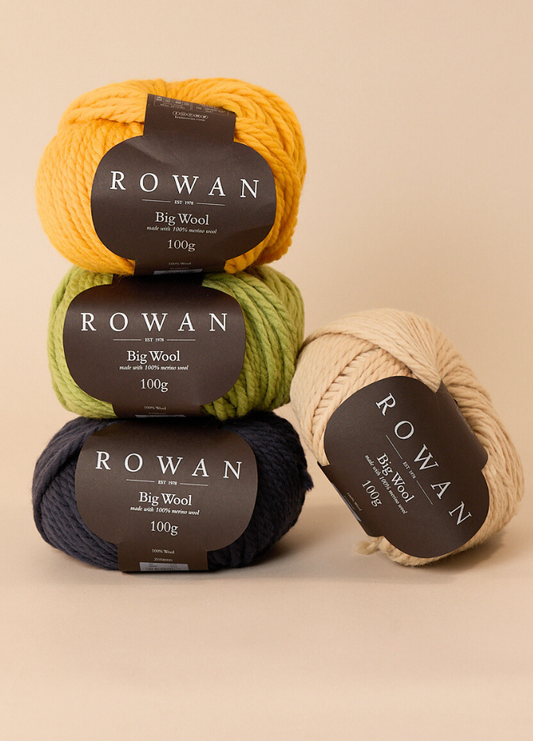
Rowan Big Wool 20 Ply
Regular price $31.50Sale price $31.50 Regular priceUnit price per30 -
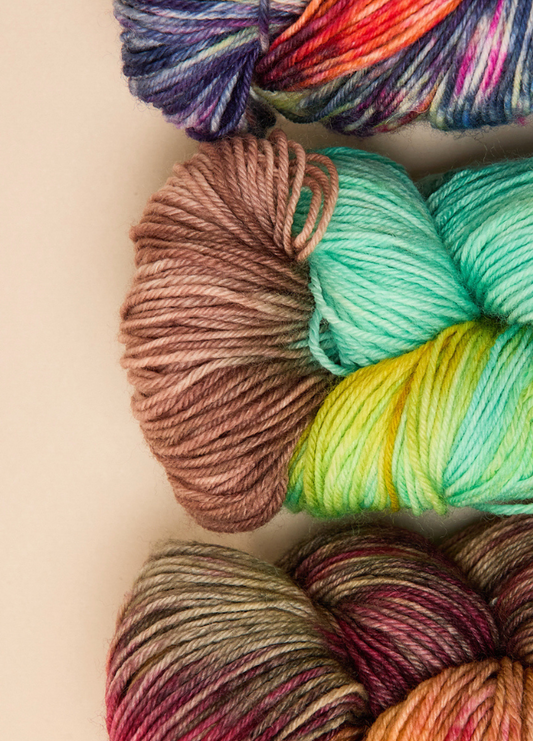
Manos Del Uruguay Alegría 4 Ply
Regular price From $37.90Sale price From $37.90 Regular priceUnit price per60 -
Rowan Baby Cashsoft Merino 6 Ply
Regular price $18.90Sale price $18.90 Regular priceUnit price per17 -
-30% Last Chance – Won’t Be Back
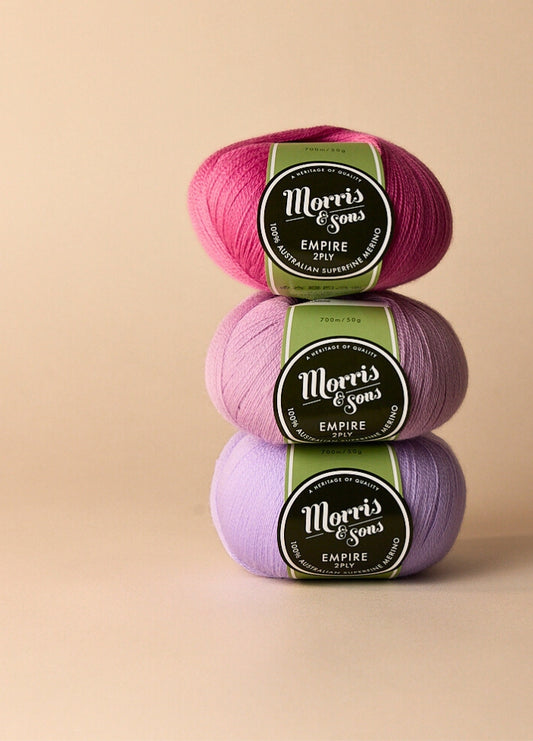
Morris & Sons Empire 100% Superfine Merino 2 Ply
Regular price $9.03Sale price $9.03 Regular priceUnit price per$12.9016 Sale -
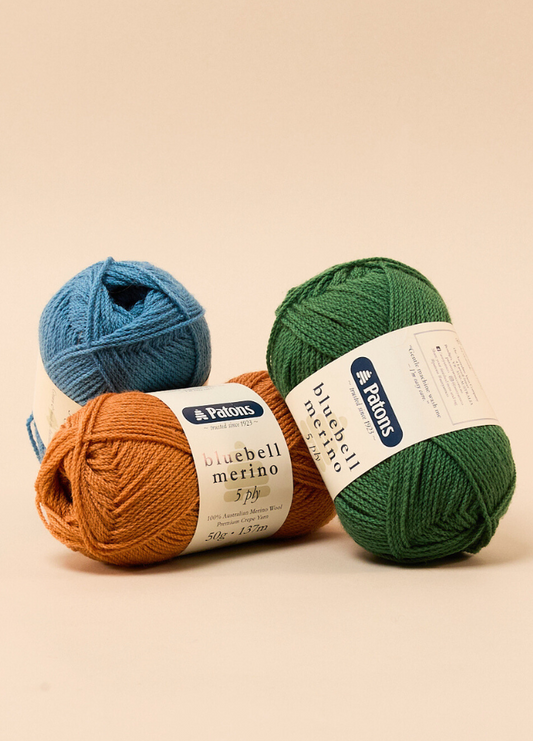
Patons Bluebell 5 Ply
Regular price $9.50Sale price $9.50 Regular priceUnit price per39 -
Manos Del Uruguay Alegría Grande 10 Ply
Regular price $36.90Sale price $36.90 Regular priceUnit price per55 -
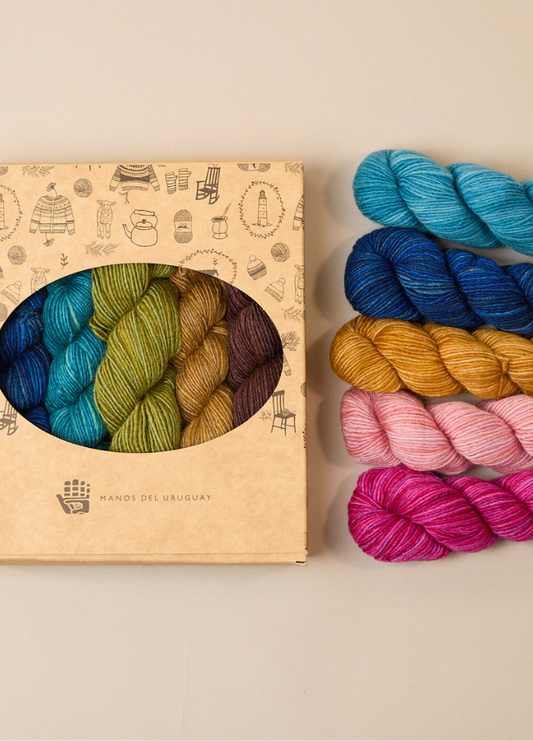
Manos Del Uruguay Manos Fino Mini Skeins 4 Ply
Regular price $53.90Sale price $53.90 Regular priceUnit price per14 -
Patons Patonyle Artistry 4 Ply
Regular price $28.90Sale price $28.90 Regular priceUnit price per6 -
Manos Del Uruguay Maxima 10 Ply
Regular price $37.90Sale price $37.90 Regular priceUnit price per47 -
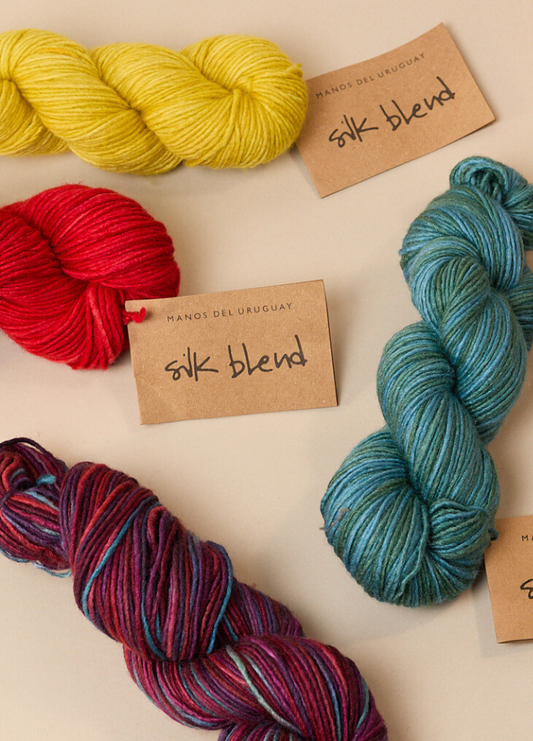
Manos Del Uruguay Silk Blend 8 Ply
Regular price $29.90Sale price $29.90 Regular priceUnit price per33 -
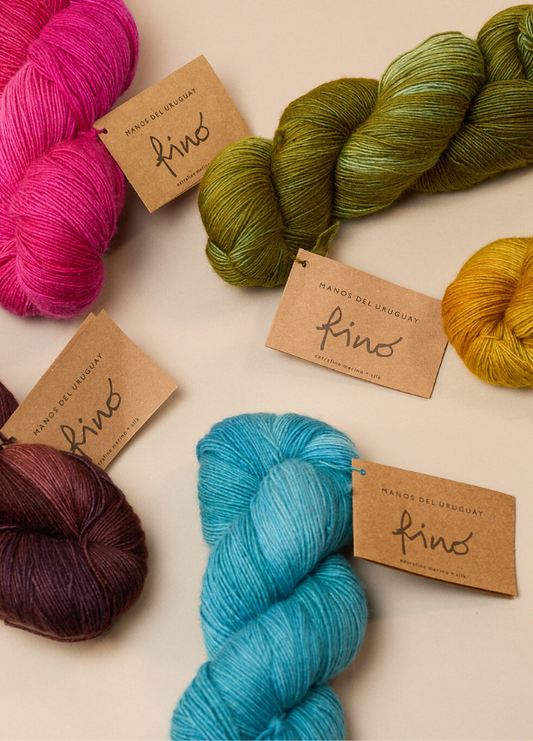
Manos Del Uruguay Fino 4 Ply
Regular price $48.90Sale price $48.90 Regular priceUnit price per19 -
Manos Del Uruguay Franca 20 Ply
Regular price $46.90Sale price $46.90 Regular priceUnit price per27 -
-30%
Rowan Pebble Island 10 Ply
Regular price $20.93Sale price $20.93 Regular priceUnit price per$29.904 Sale -
-30%
Schoppel-Wolle Zauberperlen 4 Ply
Regular price $38.43Sale price $38.43 Regular priceUnit price per$54.909 Sale -
-
Great Southern Yarn Tawny Frog Owl SRS Merino Nylon 4 Ply
Regular price From $39.90Sale price From $39.90 Regular priceUnit price per7 -
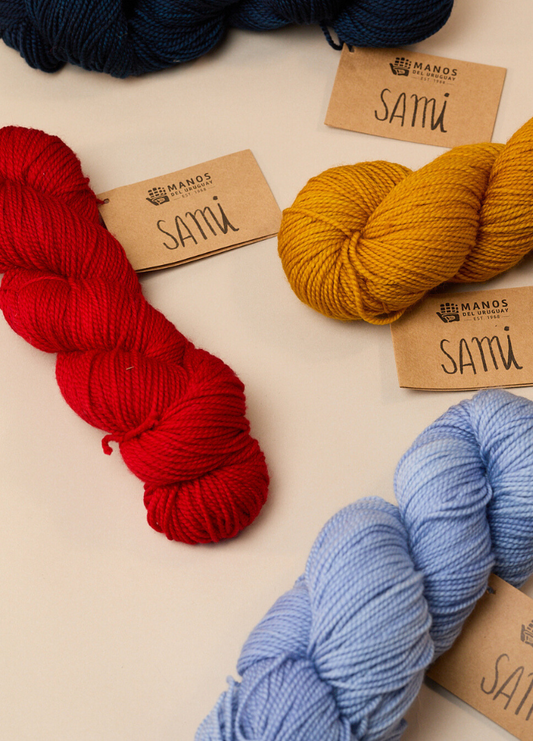
Manos Del Uruguay Sami 8 Ply
Regular price $37.90Sale price $37.90 Regular priceUnit price per14 -
Manos Del Uruguay Marla 8 Ply
Regular price $42.90Sale price $42.90 Regular priceUnit price per6 -
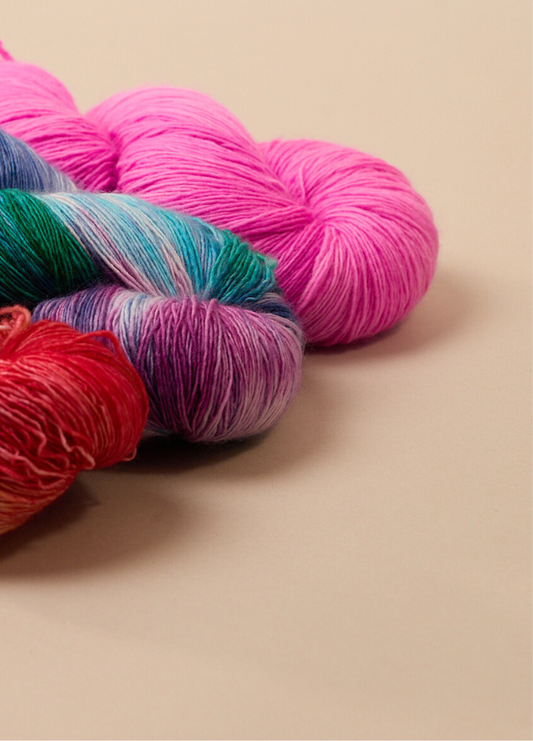
Great Southern Yarn Rufus Owl SRS Merino Single Spun 4 Ply
Regular price From $39.90Sale price From $39.90 Regular priceUnit price per7 -
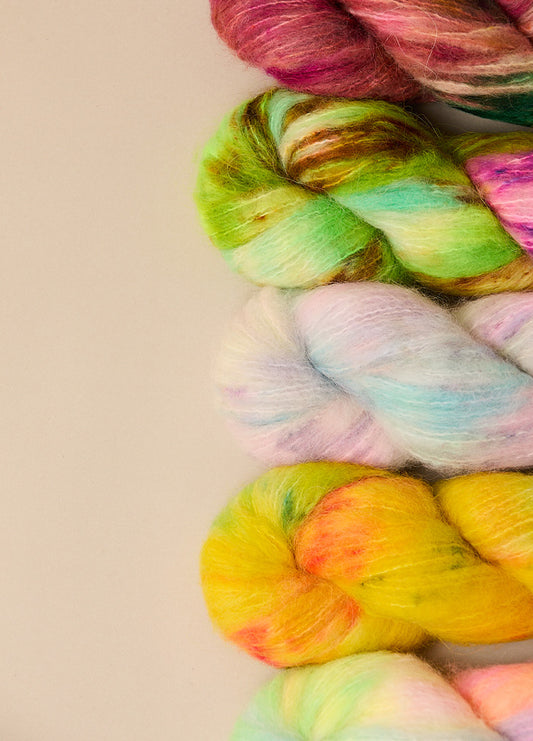
Qing Fibre Melted Baby Suri
Regular price $54.90Sale price $54.90 Regular priceUnit price per10 -
Manos Del Uruguay Marina 2 Ply
Regular price $43.90Sale price $43.90 Regular priceUnit price per13 -
-20%
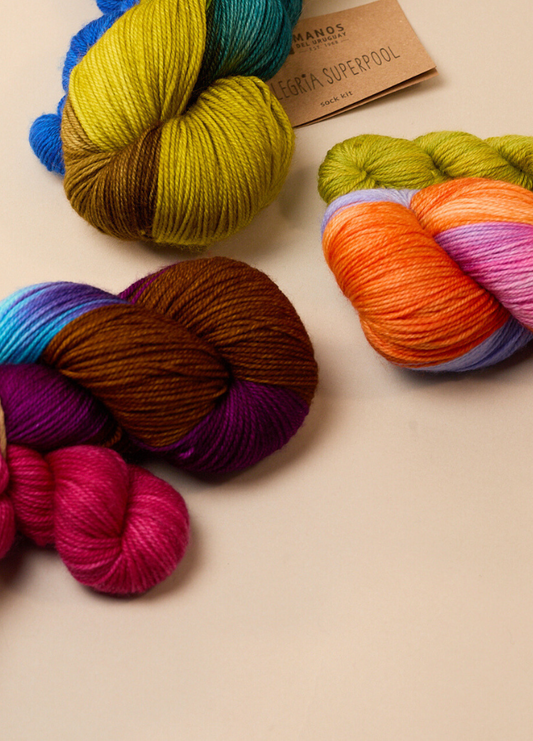
Manos Del Uruguay Alegria Superpool 4 Ply
Regular price $31.92Sale price $31.92 Regular priceUnit price per$39.902 Sale -
Schoppel-Wolle Gradient 8 Ply
Regular price $38.90Sale price $38.90 Regular priceUnit price per2 -
Great Southern Yarn Powerful Owl SRS Merino 8 Ply
Regular price From $39.90Sale price From $39.90 Regular priceUnit price per7


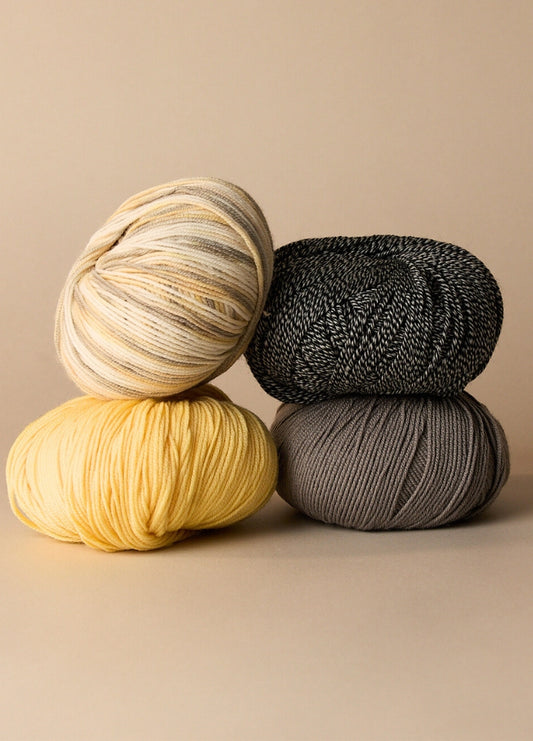
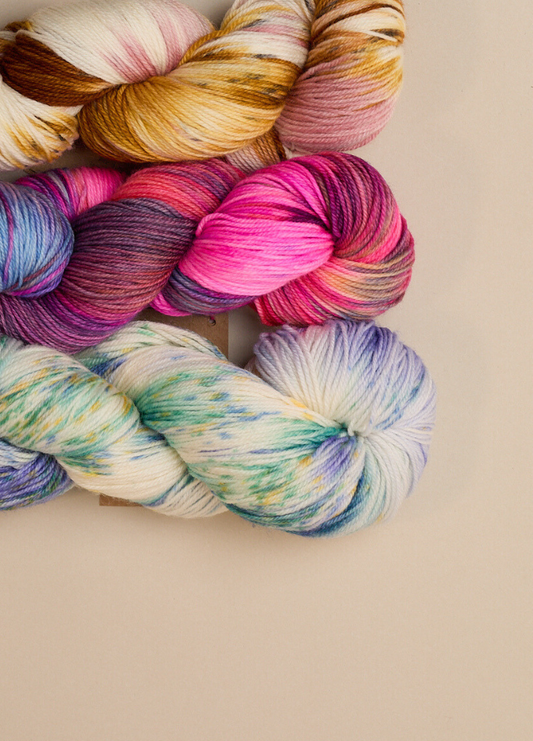

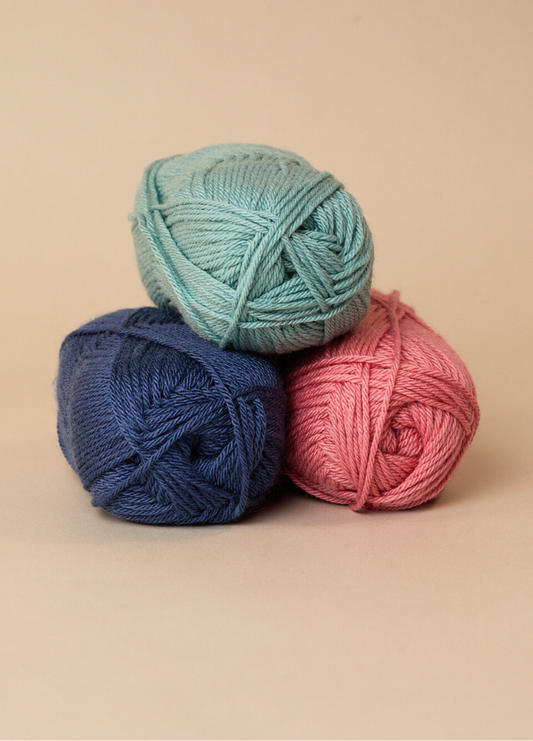

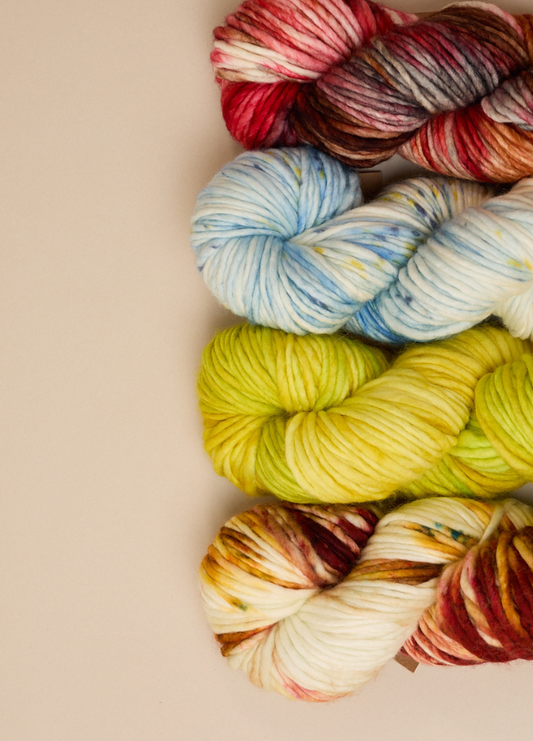
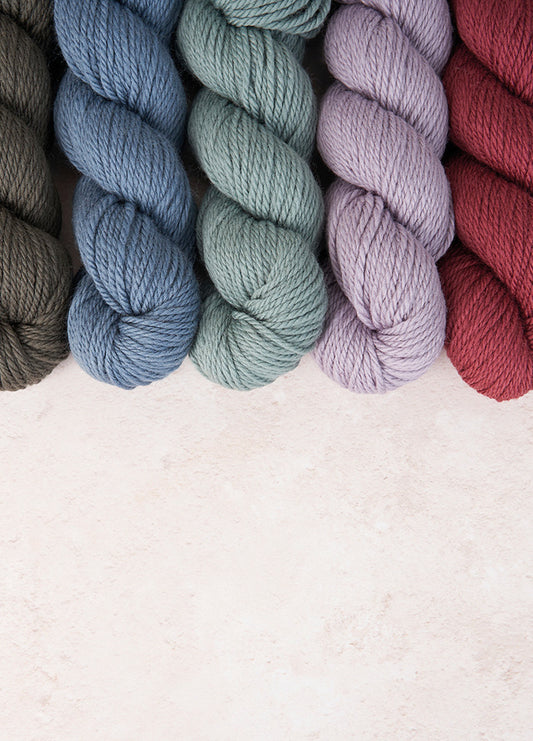
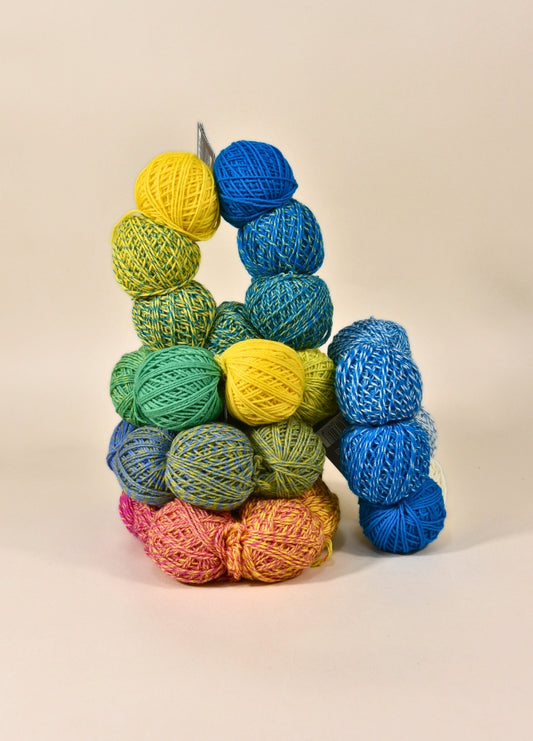

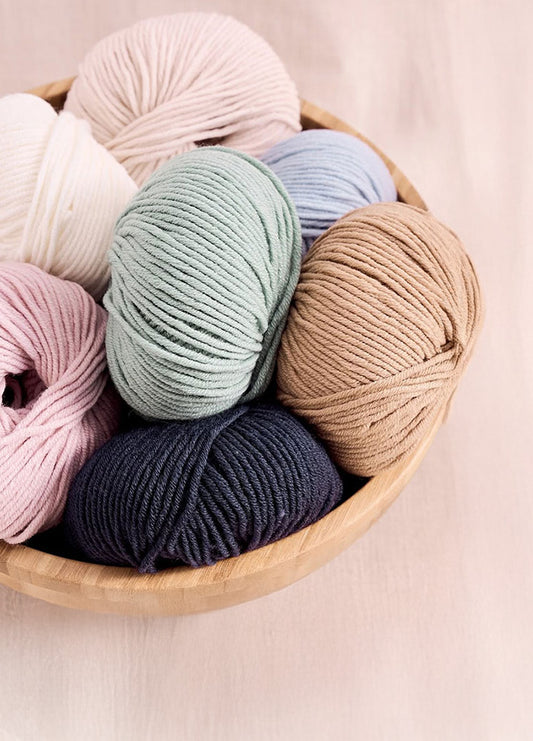





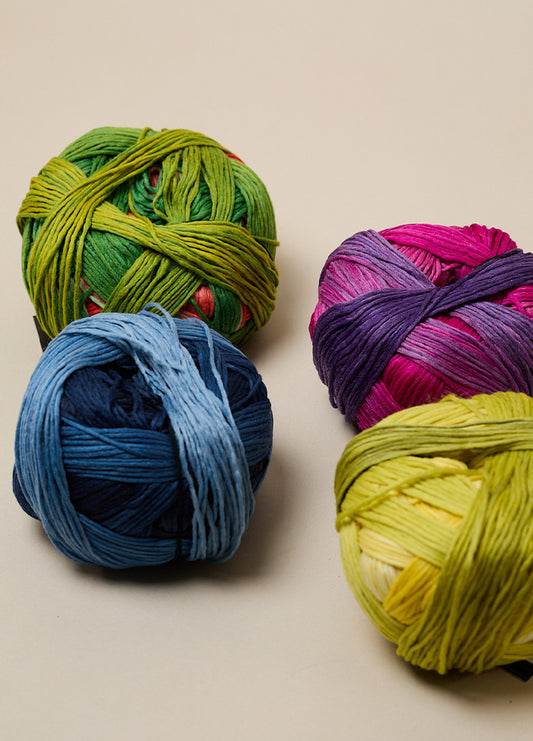

Merino
Merino wool is grown from the Merino sheep breed. It is a soft fibre with a finer grade compared to wool from other breeds. Suitable for babies and popular for next-to-skin garments and accessories, this fine yarn is a pleasure to use and to wear.
Shop our range of more than 20,000 products and get started on your new artistic journey with yarn.
Key Characteristics of Merino Wool Yarn
The soft feel and bouncy texture of merino yarn make it a versatile "go-to" for crafters. It is particularly popular for:
- Baby Knitting: Its hypoallergenic and soft properties are gentle on sensitive skin.
- Winter Accessories: Merino hats and scarves are a pleasure to wear against the forehead and neck, providing warmth without the itch.
- Performance Wear: Naturally breathable, it regulates body temperature and wicks away moisture.
Benefits of Merino Yarn
- Prickle-Free Comfort: Ideal for those with sensitive skin who find regular wool irritating.
- Natural Performance: Merino is moisture-wicking, anti-static, and provides exceptional thermal insulation.
- Sustainable & Eco-Friendly: Merino yarn is a 100% natural, renewable, and biodegradable fibre.
- Odour Resistant: The unique structure of the fibre helps repel bacteria, meaning your garments stay fresher for longer.
Care of Merino Yarn
Merino yarn is relatively easy to care for and retains its shape beautifully due to its natural elasticity.
- Washing: We recommend hand-washing your merino knits with a gentle wool wash. However, superwash merino yarn can be machine-washed on a gentle cycle; a convenient feature for busy parents.
- Drying: Always dry your knitwear flat and away from direct sunlight to prevent stretching or fading.
- Blocking: Merino responds exceptionally well to blocking, allowing you to achieve a professional finish on your handmade items.
Selecting the right yarn
When selecting yarns it's important to be aware all yarns handle differently and will give varied textures and drape. This is why it's important to knit or crochet a gauge swatch. This allows you to both check the feel of the fabric and the needle size to use (again all knitters have a slightly different tension)
For more information about substituting yarns click here.
For more information about gauge swatching click here.
If you need more help finding a yarn for your project feel free to send us a message, and we’ll get back to you with our expert advice or even pop into your local store.
FAQs
Is merino wool better than regular wool?
Yes, for most next-to-skin applications. While regular wool can be coarse, merino wool is grown from a specific breed of sheep that produces much finer, softer fibres. This results in a "premium" wool that is warmer, lighter, and softer than standard varieties.
What is the difference between cashmere and merino wool?
Cashmere is often softer and warmer than merino, but it is also more delicate and significantly more expensive. Merino wool is a more durable and cost-effective alternative; most patterns calling for cashmere can be successfully made using a high-quality merino yarn.
What are the disadvantages of using merino wool?
Because merino yarns are often spun loosely to maintain their signature softness, they can be prone to pilling with heavy use. To maintain your garment, we recommend using a professional de-pilling tool. Additionally, 100% merino can be delicate, so it is important to follow care instructions to avoid holes.
What is 100% merino wool?
100% merino wool comes exclusively from Merino sheep, which require shearing at least once a year. Australia is one of the world’s largest exporters of merino fleece, producing some of the highest-quality superfine wool available globally.
Is merino yarn good for beginners?
Absolutely. Merino yarn has excellent "stitch definition," making it easy for beginners to see their work. It also has great elasticity, which helps maintain even tension while you learn.
Merino wool is grown from the Merino sheep breed. It is a soft fibre with a finer grade compared to wool from other breeds. Suitable for babies and popular for next-to-skin garments and accessories, this fine yarn is a pleasure to use and to wear.
Shop our range of more than 20,000 products and get started on your new artistic journey with yarn.
Key Characteristics of Merino Wool Yarn
The soft feel and bouncy texture of merino yarn make it a versatile "go-to" for crafters. It is particularly popular for:
- Baby Knitting: Its hypoallergenic and soft properties are gentle on sensitive skin.
- Winter Accessories: Merino hats and scarves are a pleasure to wear against the forehead and neck, providing warmth without the itch.
- Performance Wear: Naturally breathable, it regulates body temperature and wicks away moisture.
Benefits of Merino Yarn
- Prickle-Free Comfort: Ideal for those with sensitive skin who find regular wool irritating.
- Natural Performance: Merino is moisture-wicking, anti-static, and provides exceptional thermal insulation.
- Sustainable & Eco-Friendly: Merino yarn is a 100% natural, renewable, and biodegradable fibre.
- Odour Resistant: The unique structure of the fibre helps repel bacteria, meaning your garments stay fresher for longer.
Care of Merino Yarn
Merino yarn is relatively easy to care for and retains its shape beautifully due to its natural elasticity.
- Washing: We recommend hand-washing your merino knits with a gentle wool wash. However, superwash merino yarn can be machine-washed on a gentle cycle; a convenient feature for busy parents.
- Drying: Always dry your knitwear flat and away from direct sunlight to prevent stretching or fading.
- Blocking: Merino responds exceptionally well to blocking, allowing you to achieve a professional finish on your handmade items.
Selecting the right yarn
When selecting yarns it's important to be aware all yarns handle differently and will give varied textures and drape. This is why it's important to knit or crochet a gauge swatch. This allows you to both check the feel of the fabric and the needle size to use (again all knitters have a slightly different tension)
For more information about substituting yarns click here.
For more information about gauge swatching click here.
If you need more help finding a yarn for your project feel free to send us a message, and we’ll get back to you with our expert advice or even pop into your local store.
FAQs
Is merino wool better than regular wool?
Yes, for most next-to-skin applications. While regular wool can be coarse, merino wool is grown from a specific breed of sheep that produces much finer, softer fibres. This results in a "premium" wool that is warmer, lighter, and softer than standard varieties.
What is the difference between cashmere and merino wool?
Cashmere is often softer and warmer than merino, but it is also more delicate and significantly more expensive. Merino wool is a more durable and cost-effective alternative; most patterns calling for cashmere can be successfully made using a high-quality merino yarn.
What are the disadvantages of using merino wool?
Because merino yarns are often spun loosely to maintain their signature softness, they can be prone to pilling with heavy use. To maintain your garment, we recommend using a professional de-pilling tool. Additionally, 100% merino can be delicate, so it is important to follow care instructions to avoid holes.
What is 100% merino wool?
100% merino wool comes exclusively from Merino sheep, which require shearing at least once a year. Australia is one of the world’s largest exporters of merino fleece, producing some of the highest-quality superfine wool available globally.
Is merino yarn good for beginners?
Absolutely. Merino yarn has excellent "stitch definition," making it easy for beginners to see their work. It also has great elasticity, which helps maintain even tension while you learn.